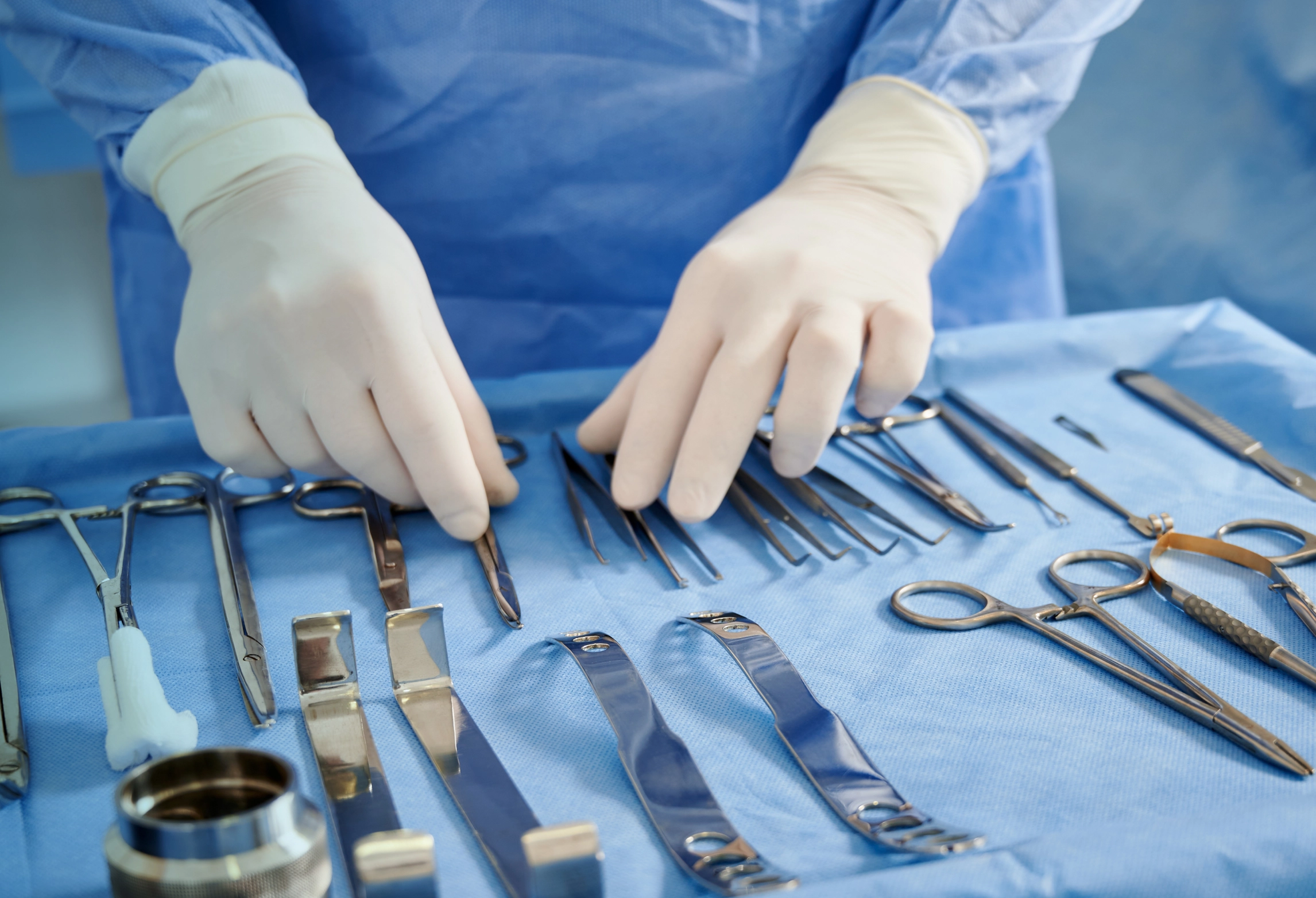
Why Standardize Sterile Processing Training? Weighing the Risks If You Don't
Article by Christina DeBusk
Article by Christina DeBusk
Key Insights:
Ineffective sterile processing practices can increase patient safety risks, lead to operating room inefficiencies, expose organizations to regulatory or legal issues, increase care costs, and more.
Developing a standardized sterile processing training program can help ensure that all employees receive the same instruction on proper cleaning, disinfecting, and sterilizing processes.
Nasium Training offers a 16-week Sterile Processing Training program that can be tailored to help support your organization's compliance goals.
Behind every medical procedure is a sterile processing team responsible for cleaning, disinfecting, and sterilizing instruments so they're ready when needed. Sterile processing training can help prepare staff for these positions, but what happens when healthcare facilities lack a standardized training program for professionals in these roles? The effects may be felt throughout the organization.
Impacts of Inconsistent Sterile Processing Training
Inconsistent and/or ineffective sterile processing training could lead to:
Patient safety risks. Between 2–5% of patients undergoing surgery develop a surgical site infection, and these are often linked to contaminated or improperly sterilized instruments.2 Improper sterilization of reusable medical equipment can also allow for bloodborne pathogens (like hepatitis B and C or HIV) to be spread from infected patients.3
Operating room inefficacies. Research indicates that missing and unusable surgical instruments are common operating room (OR) inefficiencies that can delay OR cases, lead to variation in care quality, and limit surgical provider capabilities.4
Regulatory and/or legal issues. Failure to create an adequate or efficient sterile processing department (SPD) can lead to fines, penalties, and even a loss of accreditation.5 It may also expose healthcare facilities to costly lawsuits.
Increased care costs. Surgical site infections, extended hospital stays, and surgery delays can increase healthcare costs for facilities and patients. For example, data analyzed from one Ohio-based hospital revealed that SPD errors cost the facility more than $1.5 million each year.6
Loss of patient trust. If concerns about a facility's sterile processing procedures surface, it can cause reputational damage and erode public trust.
Understanding the Sterile Processing Workforce Gap
A January 2025 study identified "staffing and training" as a driver of sterile processing defects, naming insufficient staffing levels as a key contributor.7 Industry reports echo this concern, citing a "chronic workforce shortage" for sterile processing professionals for this sector of the healthcare workforce.8
An understaffed SPD could compromise organizations' decontamination and sterilization processes by not having the professionals needed to perform these services. Additionally, the strain of these shortages may worsen as the demand for sterile processing technicians increases.
The Value of a Standardized Sterile Processing Training Strategy
Research indicates that human error is the most common cause of sterile processing failures.10 This can elevate risks for hospitals, surgical centers, outpatient clinics, dental offices, labs, dialysis centers, and other healthcare facilities performing medical procedures.
The CDC's sterile practice guidelines indicate that a comprehensive program ensures operator competence for performing and monitoring the entire process.11 Implementing a standardized training program can help employers ensure that all sterile processing staff understand and can effectively apply the proper cleaning, disinfection, and sterilization protocol.
Skills learned during sterile processing training can include:
Infection Control & Prevention
Equipment Sterilization & Disinfection
Instrument Identification & Handling
Inventory Management
Regulatory Compliance & Standards
Quality Assurance & Safety
Sterile processing technicians can also benefit from several soft skills, including critical thinking, active listening, and active learning.12
Elevate your SPD with CRCST certification prep
Certification can enable organizations to validate sterile processing team members' competency for applying infection control practices. A standardized training program can help employees prepare them for the Certified Registered Central Service Technician (CRCST) credential.13
The CRCST exam administered by the Healthcare Sterile Processing Association (HSPA) assesses candidates' knowledge and skills in seven areas:14
Departmental considerations (15%): environmental and personnel considerations, regulations and standards, documentation and record keeping, quality assurance
Cleaning, decontamination, and disinfection (21%): area-specific safety considerations, work area preparation, quality tests, equipment maintenance and troubleshooting, item preparation, disinfection
Preparation and packaging (21%): area-specific safety considerations, work area preparation, item inspection, package assembly, packaging method, labeling method
Sterilization process (21%): area-specific safety considerations, work area preparation, sterilizer quality tests, sterilization methods and cycles, sterilizer loading, sterilizer operation and monitoring, post-sterilization processes, potential process failures, documentation of sterilization load contents
Sterile storage, transport, and inventory management (9%): area-specific safety considerations, supply chain management, inventory stock rotation, sterile and non-sterile item distribution, inventory control
Patient care equipment and distribution (5%): area-specific safety considerations, work area preparation, equipment tracking and documentation, care and handling, equipment distribution
Professional development and human relation skills (8%): communication, team and work groups, personal and professional development
In some states, certification may be required. For instance, effective January 1, 2028, all new central service technicians in Minnesota must obtain certification within two years of their hire date.15
Implement a Tailored Sterile Processing Technician Training Strategy
While many healthcare organizations may face similar challenges, each facility has its own unique goals and skills gaps. Nasium Training offers a 16-week Sterile Processing Training Program16 that can be tailored to meet your organization's individual needs.
This hybrid training series consists of 75% online learning and 25% clinical instruction. It covers surgical instrumentation preparation, equipment and supplies for scheduled and emergency surgeries, legal and ethical responsibilities, using special sterilization equipment, assessing and tracking the location of sterilized inventory, safety and security procedures, infection control procedures, and maintaining surgical equipment.
Nasium Training's Sterile Processing Training Program also helps prepare your employees to sit for the CRCST certification exam.17
In 2025, the HSPA administered 15,369 CRCST certification exams, of which 10,083 passed and 5,286 failed.18
Why choose Nasium Training?
Nasium Training's Sterile Processing Training isn't just a healthcare employee upskilling or reskilling program. It's a partnership that enables you to tailor the curriculum to the needs of your organization, developing a standardized training program that can be built into your process. We also provide you with real-time feedback, while offering your employees wraparound support services.
Contact us to learn more or to discuss your needs and how we can help you address them.
4 Natarus, M.E., Shaw, A., & Studer, A. et al. Optimization of a Sterile Processing Department Using Lean Six Sigma Methodology, Staffing Enhancement, and Capital Investment. Journal on Quality and Patient Safety, Conclusion, para. 2. https://www.jointcommissionjournal.com/article/S1553-7250(24)00300-3/fulltext
5 Trapotsis, A. Top 13 Sterile Processing Mistakes in Hospitals. Consolidated Sterilizer Systems, Dangers of Sterile Processing Mistakes, Citations and fines. https://consteril.com/sterile-processing-mistakes/
8 McClenathon, B. Unseen but Essential: The Sterile Processing Knowledge Demand and Staffing Crisis, The Staffing Crisis: Why It Is So Hard to Fill These Roles.
13 The CRCST certification exam is administered by the Healthcare Sterile Processing Association. Applicants must have 400 hours of experience, either paid or volunteer, for full certification. Alternatively, they can apply to take the exam without this experience, and receive provisional certification, in which they must obtain 400 hours of hands-on experience within six months of passing the test. Learn more at https://myhspa.org/certification/certification-overview/certified-registered-central-service-technician-crcst/
17 Completion of this course does not fulfill eligibility requirements for certifications. Learners must meet eligibility criteria to sit for applicable certification exams.
Frequently Asked Questions about Sterile Processing Training
What causes sterile processing failures?
The most common cause of sterile processing failures is human error. Implementing a standardized training program can help employers ensure that consistent information is provided to all sterile processing employees, covering important cleaning, disinfecting, and sterilizing procedures and techniques.
What information is covered in a sterile processing technician training program?
Nasium Training's Sterile Processing Training program covers surgical instrumentation preparation, equipment and supplies for scheduled and emergency surgeries, legal and ethical responsibilities, using special sterilization equipment, assessing and tracking the location of sterilized inventory, safety and security procedures, infection control procedures, and maintaining surgical equipment. Contact us to learn more.
What is CRCST certification?
CRCST stands for the Certified Registered Central Service Technician credential. This certification helps validate worker competency in several areas related to sterile processing techniques, considerations, and procedures.
Get solutions for your healthcare workforce challenges.
We understand the working learner. Talk to us and we can customize
our healthcare training components to deliver the trained workforce
you need.
About the Author
Christina DeBusk is a freelance writer who has been providing health and wellness content to healthcare organizations such as the American Chiropractic Association and International Sports Sciences Association (ISSA) since 2011. She obtained her Bachelor of Science in Sociology from Central Michigan University, minoring in psychology. She has also earned several ISSA certifications, including Certified Personal Trainer and Certified Nutrition Specialist, achieving the status of Elite Trainer.
Get solutions for your healthcare workforce challenges.
We understand the working learner. Talk to us and we can customize our
healthcare training components to deliver the trained workforce you need.